
English Bulldog health: the questions every family should ask
A health conversation should consider everyday function as well as records. Prepare questions for the breeder and your own vet; an attractive photograph cannot establish health.
By Casa Bulldog
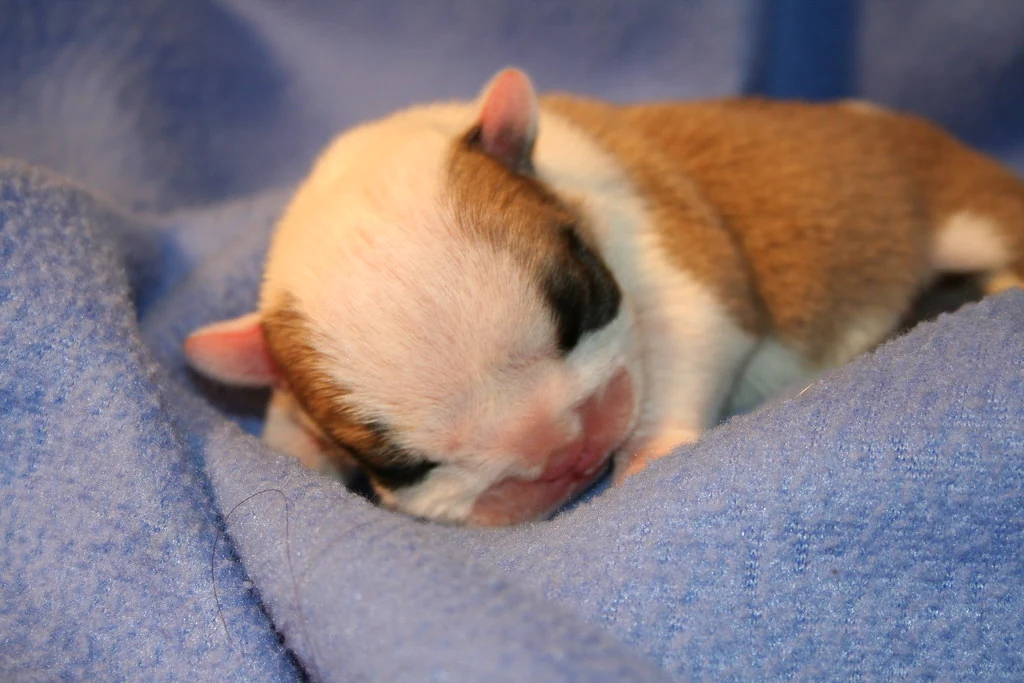
Begin with breathing and recovery
Ask about breathing at rest, comfortable activity and recovery. Discuss formal respiratory assessments and their limitations with your vet. Persistent noise or poor tolerance should not be dismissed as a breed trait, and acute breathing difficulty needs urgent care.
Watch the dog, not only the paperwork. A Bulldog that breathes quietly while relaxed, recovers within a few minutes after a short walk and sleeps without repeated pauses or gasping is giving you useful information. Ask to see the parents moving and resting if possible, and ask how they cope on warm days. Snoring, noisy breathing during light activity or collapse after exercise are signs to raise with a vet, not quirks to accept.
Look beyond one certificate
Ask which records exist for the actual parents and puppy: respiratory assessment, genetic screening and other relevant examinations may answer different questions. Clarify dates, identity and interpretation. Skin, eyes, joints, body condition and dental care also matter; no test guarantees future health.
Genetic tests only answer the question they were designed for. In English Bulldogs, a DNA test for hyperuricosuria (HUU), a condition that can lead to bladder stones, is commonly used, but a clear result says nothing about breathing, skin or joints. Ask which laboratory carried out each test, whether the result is linked to the dog’s microchip, and how the breeder used the information when choosing the pairing.
Plan ongoing veterinary care
Discuss likely veterinary costs and the Bulldog’s conformation-related risks before committing. Register with a vet, request available records and clarify support in the written agreement. Consider healthier alternatives as part of the decision, not only the appearance of a puppy.
Before collection, choose a vet who regularly sees short-nosed breeds and book a first check in the first days at home. Ask about pet insurance early, because many policies exclude conditions noticed before cover starts. Keep every record you receive in one folder: vaccination and deworming history, microchip number, test results and the contract. It makes later appointments faster and more precise.
Heat, weight and exercise
Short-nosed dogs cool themselves mainly by panting, which works less well when the airway is narrow. This makes Bulldogs especially vulnerable to heat. In a hot climate such as a Madrid summer, plan walks for early morning and late evening, provide shade and fresh water, and never leave a Bulldog in a car. Heavy panting, a very red tongue, drooling, weakness or collapse can indicate heatstroke, which is an emergency.
Body weight matters just as much. Extra fat around the neck and chest makes breathing harder and puts more strain on joints. Ask the breeder how the parents are fed and kept in condition, then ask your vet to show you how to judge body condition by touch rather than by a target number. Moderate daily exercise, adapted to the individual dog and the weather, is part of keeping a Bulldog healthy.
Questions to bring to the conversation
- How do the parents breathe at rest, during a walk and on warm days?
- Which health assessments and DNA tests have the parents had, and can I see the original reports?
- Has either parent needed surgery for breathing, eyes or skin?
- Were the puppies born naturally or by caesarean section?
- Which vaccinations, deworming and veterinary checks will the puppy have had before handover?
- What does the written contract say about health concerns found after collection?
More puppy-care guides
Sources and further reading
Independent educational sources. They do not endorse this kennel; individual care decisions belong with your veterinarian.
This guide is general educational information. Discuss individual health and care with your veterinarian.