
What responsible English Bulldog breeding should look like
Responsible breeding should be discussed through individual evidence, not badges or blanket promises. Use these questions to understand a particular pairing and puppy without assuming that any breeder follows an unverified protocol.
By Casa Bulldog
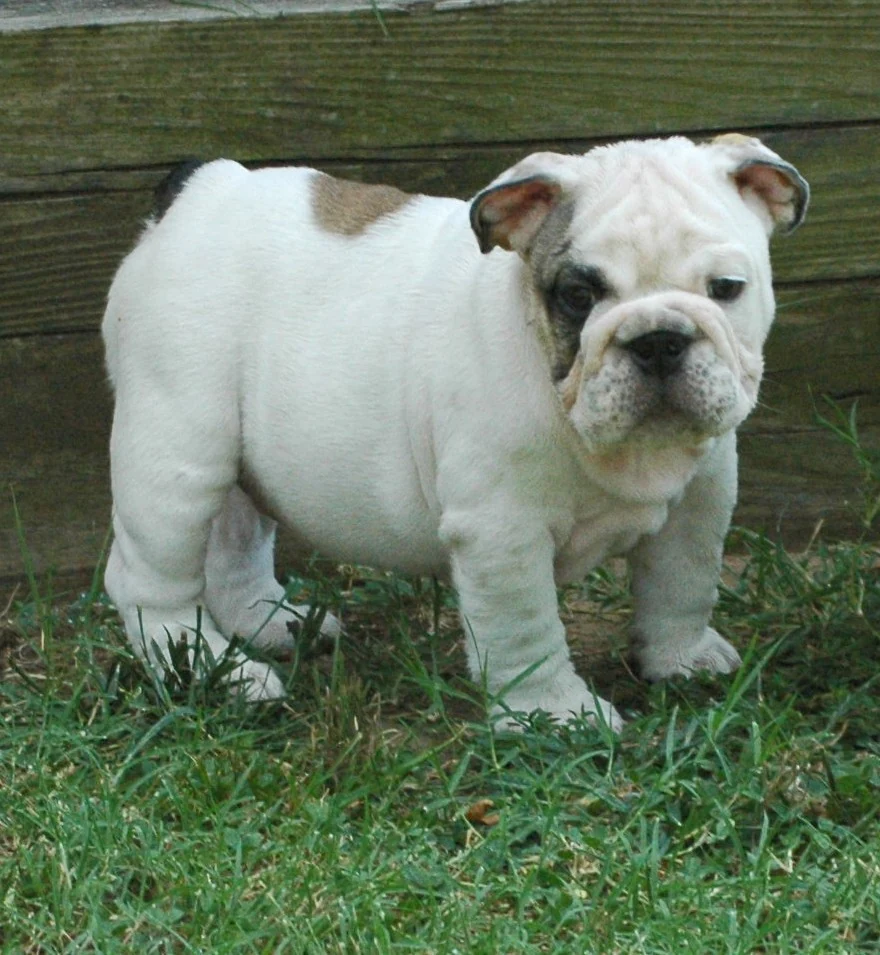
Ask why the parents were paired
Ask what was considered about temperament, breathing, mobility and family history for both parents. Request the actual assessment records and their limitations. A pedigree is not a health guarantee, and a general statement about testing does not describe the evidence for an individual pairing.
Health-focused breeders increasingly select English Bulldogs for more moderate features: open nostrils, a slightly longer muzzle, a less heavy body and free movement. Ask whether these goals guided the pairing and how they were assessed. It is also reasonable to ask how many litters the mother has had, at what age she was first bred and how the breeder decides when she should retire.
Discuss early care without reading it into photos
Ask about feeding, rest, handling, veterinary care and gradual experiences for the actual puppy. Photographs may prompt useful questions but do not establish age, parentage or a care schedule. Request the available records and explain the needs of your own household.
Ask where the puppies are raised and whether you can see that environment, in person or by live video. Responsible early care usually includes daily handling, contact with normal household life and gradual weaning. Puppies should stay with their mother and littermates until at least eight weeks of age; ask when the breeder plans handover and why.
Review the agreement before reserving
Clarify the enquiry, approval and reservation steps before paying. Review the written agreement’s actual guarantee, handover records and support arrangements. Ask what happens if circumstances change; do not assume lifetime returns or particular coverage unless confirmed in the individual contract.
Read the full contract before paying a deposit, and ask for any terms you do not understand to be explained in writing. Check what the deposit covers, whether it is refundable and what the breeder will do if you can no longer keep the dog. A breeder who wants to stay informed about the dog’s life, and is willing to help if circumstances change, is showing long-term responsibility.
Breeder registration in Spain
In Spain, the animal-welfare law (Ley 7/2023) restricts the breeding of dogs to people registered as breeders, and dogs must be identified with a microchip and recorded in the regional pet register. Ask the breeder for their registration details and for the puppy’s microchip number, and check that the documents you receive match.
The details of registration are still being developed and can vary between regions, so if anything is unclear, contact the animal-welfare or agriculture department of the region where the breeder is based. A registration number is a legal minimum, not proof of good breeding, but its absence is an important warning sign.
Warning signs
- Puppies of many breeds always available, or several litters at the same time
- No chance to see the mother or the place where the puppies are raised
- A handover proposed in a car park, or delivery without any visit or video call
- Pressure to pay a deposit quickly, or payment requested before any conversation
- No written contract, vaccination record or microchip details
- Puppies offered for handover before eight weeks of age
- Health described only in vague terms, without any records to back it up
More puppy-care guides
Sources and further reading
Independent educational sources. They do not endorse this kennel; individual care decisions belong with your veterinarian.
This guide is general educational information. Discuss individual health and care with your veterinarian.